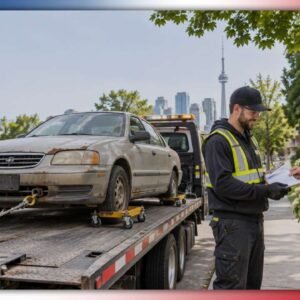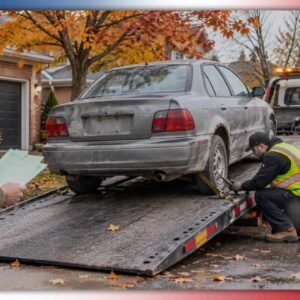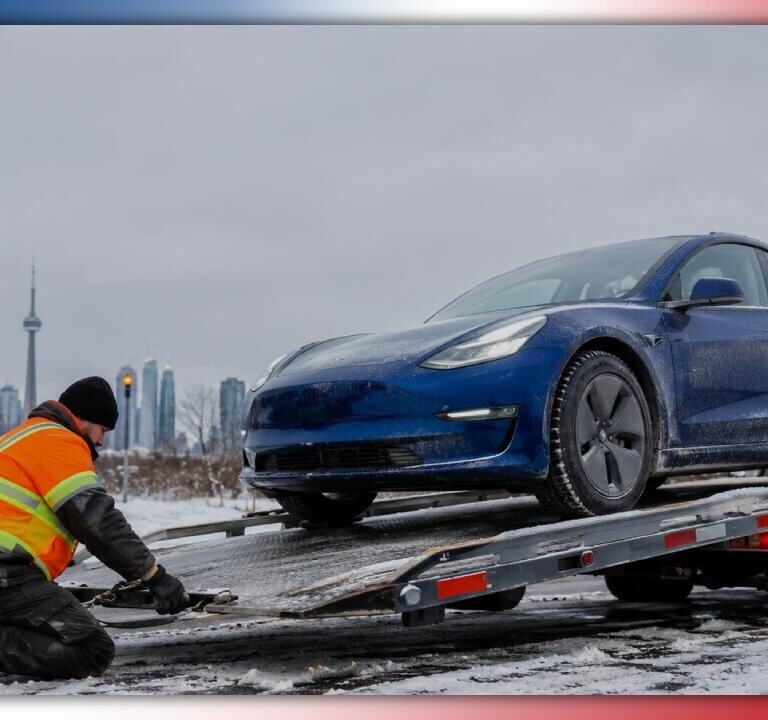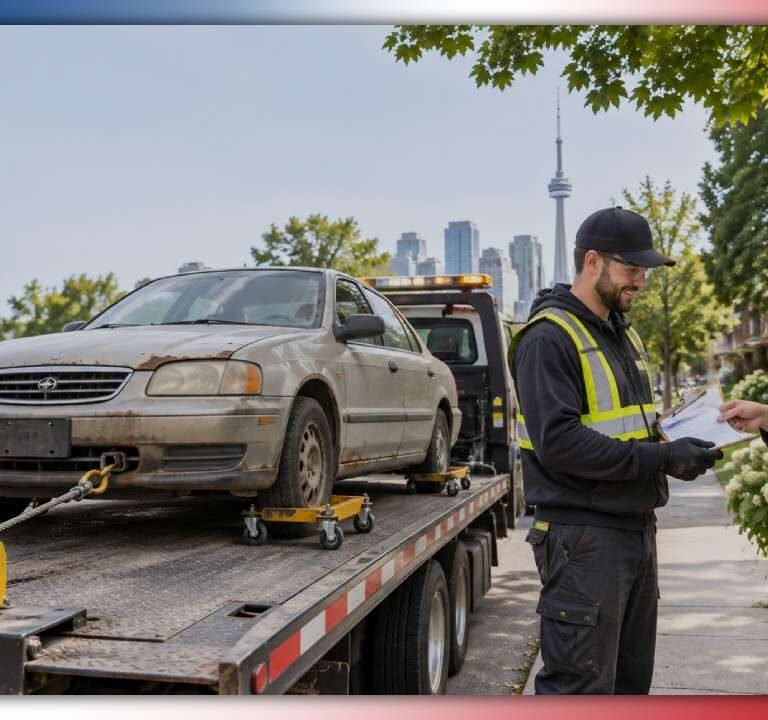
Ontario recyclers remove batteries from scrap cars before crushing, then assess each battery for reuse or specialized recycling. Scrap car battery disposal Ontario rules also require safe storage before processors move batteries to the next facility.
Your car’s battery does not belong inside a metal shredder or household garbage bin. The handling process depends on battery chemistry, vehicle damage, and the receiving recycler. You can keep the battery installed while arranging professional scrap car pickup.
Scrap Car Battery Disposal Ontario Rules in 2026
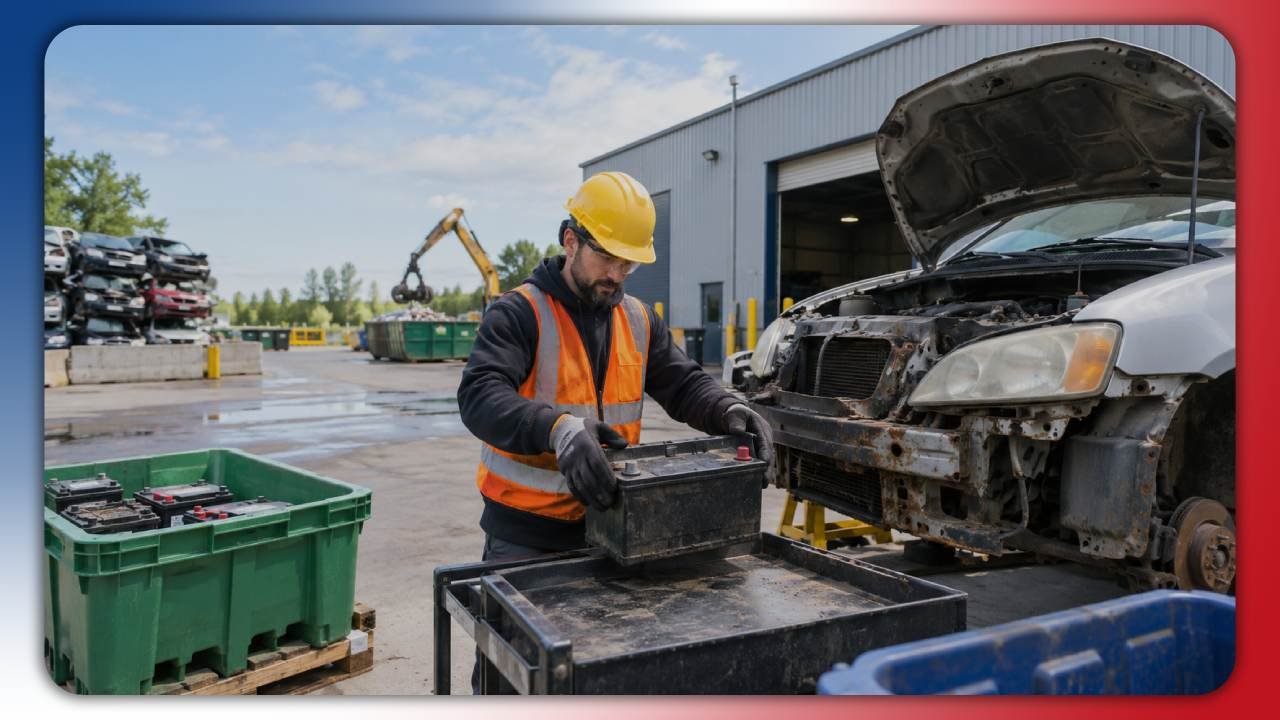
Ontario’s end-of-life vehicle rules require processors to remove batteries before crushing, shearing, or shredding a vehicle. These duties already applied before 2026. The removal requirement covers batteries in end-of-life vehicles, including standard starter batteries and high-voltage packs.
Mandatory Removal Before Crushing
Regulation 347 lists batteries among the components that processors must remove from end-of-life vehicles before metal processing. The list also includes lead-containing battery cable connectors, tires, fluids, and certain mercury switches. Each material needs a suitable recovery or disposal route.
A scrap yard cannot treat the battery as ordinary steel scrap. Workers first identify its battery type, inspect visible damage, and choose the correct handling procedure. Scrap car battery disposal Ontario requirements help keep acid and stored electricity away from shredding equipment.
Covered Storage and the 24-Month Limit
Ontario Regulation 85/16 requires registered end-of-life vehicle sites to protect removed batteries from precipitation and short circuits. Operators must also respect a 24-month maximum storage period for these removed materials. The limit does not authorize careless storage during those months.
A sound handling setup separates battery terminals from conductive metal. Personnel check for damaged cases, loose cables, and electrolyte leaks. Scrap car battery disposal Ontario facilities should control access and send batteries to appropriate downstream handlers.
Scrap Car Battery Disposal Ontario Pickup and Processing
A vehicle normally moves through intake, assessment, dismantling, and material recovery after collection. The battery leaves the vehicle before the metal body reaches crushing equipment. The actual sequence depends on vehicle condition and receiving-facility procedures.
Vehicle Intake and Battery Identification
A recycler records the vehicle’s identity and examines the engine bay or traction-battery location. Technicians identify a conventional 12-volt lead-acid battery, a hybrid pack, or an electric vehicle battery. Some hybrid vehicles contain both battery types.
The intake check also considers collision damage, standing water, smoke exposure, and damaged wiring. These signs affect loading, isolation, and handling. Scrap car battery disposal Ontario processes work best when the seller describes vehicle problems before collection.
Professional Battery Removal at the Yard
Trained workers disconnect and remove starter batteries using suitable protective equipment and site procedures. High-voltage systems demand manufacturer-specific isolation methods and trained technicians. You should never attempt to open a traction battery pack beside your driveway.
Once workers remove the battery, the recycler inspects its condition and selects reuse, refurbishment, or material recycling. Your remaining vehicle can enter other dismantling steps. Explore the scrap car removal service when you need pickup and an offer for the complete vehicle.
Scrap Car Battery Disposal Ontario Lead-Acid Recycling
A standard gasoline car normally uses a lead-acid starter battery. Battery recyclers process the battery’s lead, plastic case, and electrolyte through different recovery streams. Recycling recovers materials rather than crushing the complete battery with the vehicle.
Lead Plates and Lead Oxide Recovery
Battery processors separate lead plates, grids, and lead-containing material from the damaged or spent unit. Specialized facilities smelt and refine the recovered lead under environmental controls. Manufacturers can use suitable refined lead in new battery components.
Lead presents serious exposure risks when workers mishandle battery dust or waste. Industrial processors control ventilation, protective clothing, cleaning, and waste treatment. Scrap car battery disposal Ontario depends on licensed or otherwise appropriately authorized handlers completing these stages.
Plastic Cases and Sulfuric Acid Processing
Recyclers also separate polypropylene cases from metal and liquid components. Processors wash and convert clean plastic into material for new products, including battery cases. The plastic pathway differs from ordinary curbside recycling.
The electrolyte contains sulfuric acid. Specialized operators recover, treat, or neutralize the electrolyte using controlled systems. Never drain acid into a sink, storm drain, lawn, or garage floor. Professional scrap car battery disposal Ontario protects soil, drainage infrastructure, and workers.
Hybrid and Electric Vehicle Battery Handling
Hybrid and electric vehicles require additional battery checks before dismantling. A high-voltage traction pack needs different handling from a 12-volt starter battery. Owners should report the vehicle type and any damage before scheduling pickup.
Starter Batteries Versus Traction Packs
A hybrid Toyota Prius can contain a conventional 12-volt battery and a separate propulsion battery. A fully electric Nissan Leaf also uses a high-voltage pack and low-voltage electrical components. Battery chemistry and placement vary by model.
Technicians inspect pack labels, electrical connections, and manufacturer guidance before isolation. Usable packs can enter repair or second-life assessment. End-of-life packs travel through specialist recovery channels. Scrap car battery disposal Ontario applies to the complete vehicle, but each battery needs a suitable route.
Flood, Fire, and Collision Damage
Tell the buyer when a hybrid or electric car has suffered a flood, battery fire, or severe collision. Hidden battery damage can create delayed electrical or thermal hazards. Avoid charging, jump-starting, probing, or opening a damaged pack.
Battery handlers need the make, model, year, damage history, and available warning information. Specialized transport rules also govern certain damaged batteries. A suitable recovery service assesses the vehicle before dispatch. Scrap car battery disposal Ontario requires extra care for damaged high-voltage systems.
Scrap Car Battery Disposal Ontario Drop-Off Options
You can return a loose conventional car battery through an accepted automotive battery collection route. Do not place car batteries in household garbage or blue-bin recycling. Acceptance rules depend on the depot, retailer, and battery type.
Automotive Retailers and Recycling Depots
Some automotive retailers accept used lead-acid batteries during a battery replacement or core-return transaction. Dedicated scrap-metal yards and battery processors also accept suitable batteries. Call before visiting because facilities set their own acceptance and handling conditions.
Peel Region directs residents to Community Recycling Centres for car batteries and sealed lead-acid batteries. Residents can ask local municipal depots about current services. Keep the case upright and avoid terminal contact during any approved transport arrangement. Safe scrap car battery disposal Ontario begins with suitable collection points.
Car Batteries Outside the Household Battery Program
Ontario’s consumer Batteries Regulation generally covers qualifying batteries weighing 5 kg (11 lb) or less. The Resource Productivity and Recovery Authority excludes larger car batteries from that program. Automotive battery management still follows other applicable waste and vehicle-processing rules.
Household pickup programs often accept AA, AAA, and small rechargeable batteries. A full-size starter battery needs a different collection arrangement. Scrap car battery disposal Ontario guidance must distinguish these streams to prevent incorrect drop-offs.
Safe Steps Before Scrap Car Collection
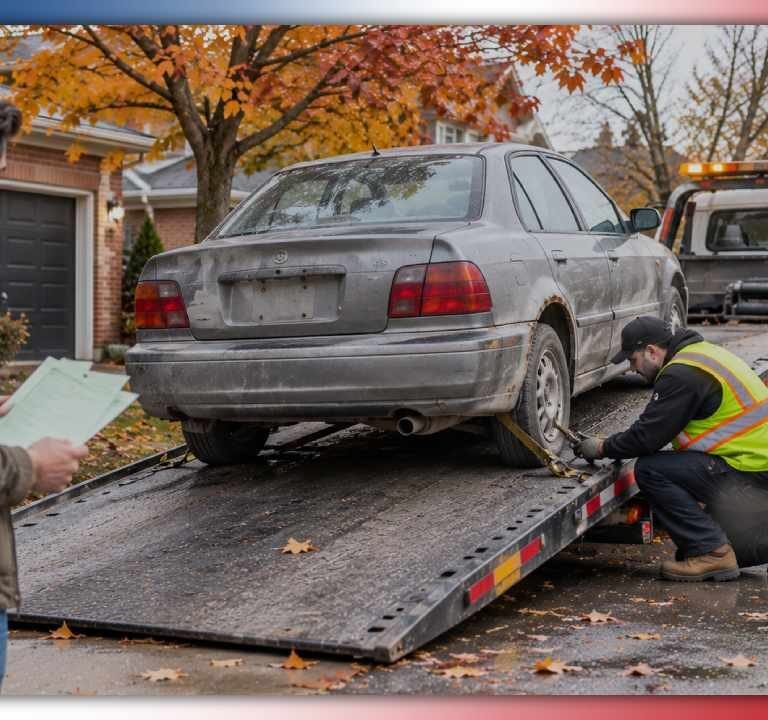
Keep an installed battery inside the vehicle for a normal scrap-car pickup unless the receiving operator gives different instructions. You usually do not need to remove or drain the battery yourself. Describe missing parts before accepting a vehicle quote.
Keep the Battery and Wiring Undisturbed
Do not cut battery cables or open a battery case to recover metal at home. A damaged case can expose acid, while a shorted terminal can cause burns. Leave high-voltage cables and orange electrical connectors untouched.
Report a swollen case, unusual odour, smoke history, or visible fluid leak to the buyer. Tell the dispatcher whether the car starts and rolls. You can review junk car pickup options for non-running vehicles with dead batteries.
Prepare Vehicle Details and Ownership Records
Gather your year, make, model, mileage, and pickup address before requesting an offer. Tell the buyer about missing keys, locked wheels, underground parking, and battery damage. Clear personal belongings before the truck arrives.
Prepare the Ontario vehicle permit and government-issued identification for the transaction. Remove your licence plates before handover and keep sale records. These steps support a clear transfer while the recycler handles battery removal.
Battery Condition and Scrap Car Cash Offers
The complete vehicle, reusable components, market demand, and collection access affect your cash offer. A dead battery does not automatically make a scrap car worthless. The buyer considers recoverable metals and parts beyond the starter battery. Scrap car battery disposal Ontario rarely determines the complete offer alone.
Complete Vehicles and Missing Batteries
Tell the buyer when the battery is missing, damaged, or already removed. Scrap Cars 4 Cash specifically asks sellers to report missing components before quoting. Honest details help avoid last-minute changes when the tow truck arrives.
A car with a failed starter battery can still contain a reusable engine, transmission, alternator, or body panels. A vehicle with missing major parts usually needs a different assessment. Scrap car battery disposal Ontario is one factor within the wider salvage process.
Separate Battery Payments and Vehicle Offers
Do not assume your buyer will add a separate cash payment for the installed battery. Some Ontario recyclers advertise individual battery purchase programs, but those offers have separate conditions. Scrap Cars 4 Cash quotes the vehicle rather than promising a fixed battery bonus.
Ask whether the offered amount includes towing and all standard pickup costs. The website advertises free towing with accepted vehicle purchases after the buyer confirms the conditions. Scrap car battery disposal Ontario does not create a guaranteed battery value for every seller.
Scrap Car Battery Disposal Ontario Collection Across the GTA
Scrap Cars 4 Cash serves Toronto and surrounding Greater Toronto Area communities for eligible vehicle purchases. Confirm your exact address and access before booking. Battery condition matters, but the pickup location also shapes the towing plan.
North York and Scarborough Pickup Details
North York sellers should describe narrow driveways, apartment entrances, or blocked vehicles. Scarborough sellers should report parking levels, damaged wheels, and repair-shop release requirements. Accurate descriptions help dispatch select suitable recovery equipment. Scrap car battery disposal Ontario also depends on accurate damage reports.
Battery failures can leave a car immobile without eliminating salvage value. Sellers can still request an assessment for a vehicle that does not start. Scrap car battery disposal Ontario remains a receiving-facility responsibility after safe collection.
Condo Garages and Non-Running Cars
Give the dispatcher the garage clearance in feet and metres when a vehicle sits underground. Confirm property permission, gate access, and whether the steering wheel turns. The driver needs a safe route to the vehicle.
Do not push a damaged electric vehicle through a crowded garage or attempt improvised battery work. Tell the buyer about collision damage and charging-port problems. Your accurate information supports a suitable towing arrangement.
Quick Reference for Battery Handling Tasks
Use the task list below to identify your responsibilities and the recycler’s duties. Timing describes the stage, not a promised service duration. Difficulty describes the task for an untrained vehicle owner.
| Task | Timing | Method | Difficulty |
| Report car battery damage | Before booking | Tell buyer about leaks, collision or flood history | Easy |
| Confirm ownership and access | Before pickup | Prepare permit, ID and parking details | Easy |
| Arrange vehicle pickup | At confirmed appointment | Buyer dispatches suitable tow equipment | Easy |
| Remove installed batteries | Before vehicle crushing | Trained recycler follows battery-specific procedure | Professional only |
| Protect battery storage | Until transfer | Keep batteries dry and prevent terminal shorts | Professional only |
| Route lead-acid battery | After removal | Battery processor separates lead, plastic and electrolyte | Professional only |
| Assess high-voltage pack | After isolation | Specialist evaluates reuse or recycling | Specialist only |
The most important distinction is responsibility. You handle vehicle details, access, and ownership records. Qualified recycling personnel handle battery isolation, depollution, material processing, and hazardous waste controls.
How to Confirm Responsible Battery Recycling
To confirm responsible battery recycling, ask the buyer where the car goes and how the receiving facility handles battery types. A clear handling chain matters more than an unsupported recycling claim. Keep your own transfer records.
Ask About Processing and Battery Separation
Ask whether the receiving facility removes batteries before crushing or shredding. Ask how workers separate conventional lead-acid batteries from electric vehicle packs. A credible operator can explain appropriate downstream recycling arrangements without promising identical outcomes for every battery.
Ask about the procedure for a damaged, leaking, or fire-exposed battery. Report the issue before pickup, not when the truck reaches your driveway. Scrap car battery disposal Ontario requires informed handling from initial intake onward.
Keep the Sale Record and Vehicle Details
Save the agreed offer, collection date, buyer information, and bill of sale. Record the vehicle identification number (VIN) when available. Take photographs of existing damage before pickup when practical.
These records document your transaction rather than certifying every downstream recycling stage. You can ask the buyer for any available facility or recycling documentation. Avoid assuming every collector issues an individual battery recycling certificate.
Frequently Asked Questions
Does Ontario require the battery removed before scrapping a car?
Yes. Ontario’s end-of-life vehicle rules require removal before crushing, shearing, or shredding. Qualified workers handle the removal at the processing facility.
Can I leave a dead battery in my scrap car?
Yes. Keep the battery installed for an ordinary scrap pickup unless the operator instructs otherwise. Tell the buyer about damage or leaks.
Can a scrap car battery go into blue-bin recycling?
No. Car batteries need appropriate battery collection or recycling. Peel Region directs residents to Community Recycling Centres for conventional car batteries.
Are hybrid and electric car batteries recycled like starter batteries?
No. High-voltage packs require specialist assessment, handling, and recovery. Lead-acid starter batteries enter a different recycling process.
Will a missing battery always lower my scrap car offer?
No. A missing battery changes vehicle completeness but does not guarantee a lower offer. Share accurate details before quoting.
Responsible Scrap Car Disposal in Ontario
Ontario battery-handling rules protect workers, communities, and valuable recyclable materials. Scrap car battery disposal Ontario starts with safe collection and continues through responsible processing. You do not need to dismantle a dangerous battery at home. Share accurate vehicle details and request a cash for cars quote from Scrap Cars 4 Cash. Confirm the offer, free-towing conditions, and pickup arrangements before you accept.