Sell Your Damaged Car for Cash in Toronto
Get a direct offer for an accident-damaged, mechanically failed, non-running or insurance write-off vehicle. Share the condition once. Choose a pickup time. Complete the sale without repairing, listing or transporting the car yourself.
Based on actual condition and parts value
Home, body shop, impound or workplace
Drivable, stalled or unable to roll
Offer, documents and collection confirmed
Request an Offer
Send the details that affect value and towing access.
Submitting this form does not accept an offer or transfer ownership.
What Happened to the Vehicle?
Choose the closest match, then send the vehicle details in the quote form.
Can You Sell a Damaged Car for Cash?
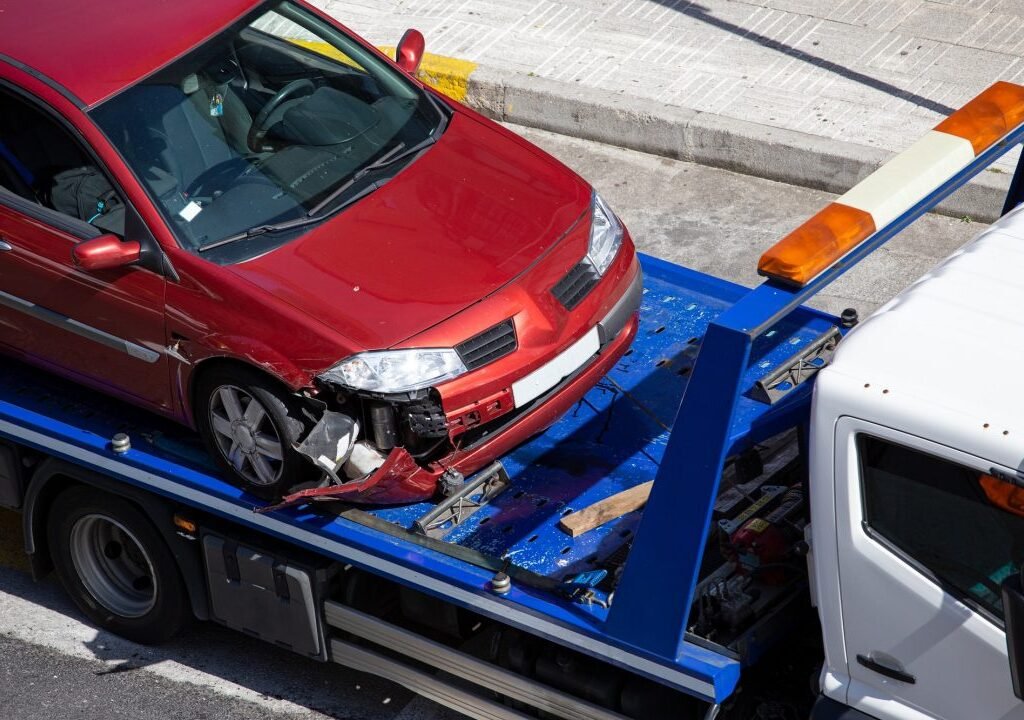
Yes. You can sell a damaged car when you have the legal right to sell it and the buyer understands its condition. A direct damaged-car sale removes the need to repair the vehicle, arrange a safety inspection for road use or manage private-buyer appointments.
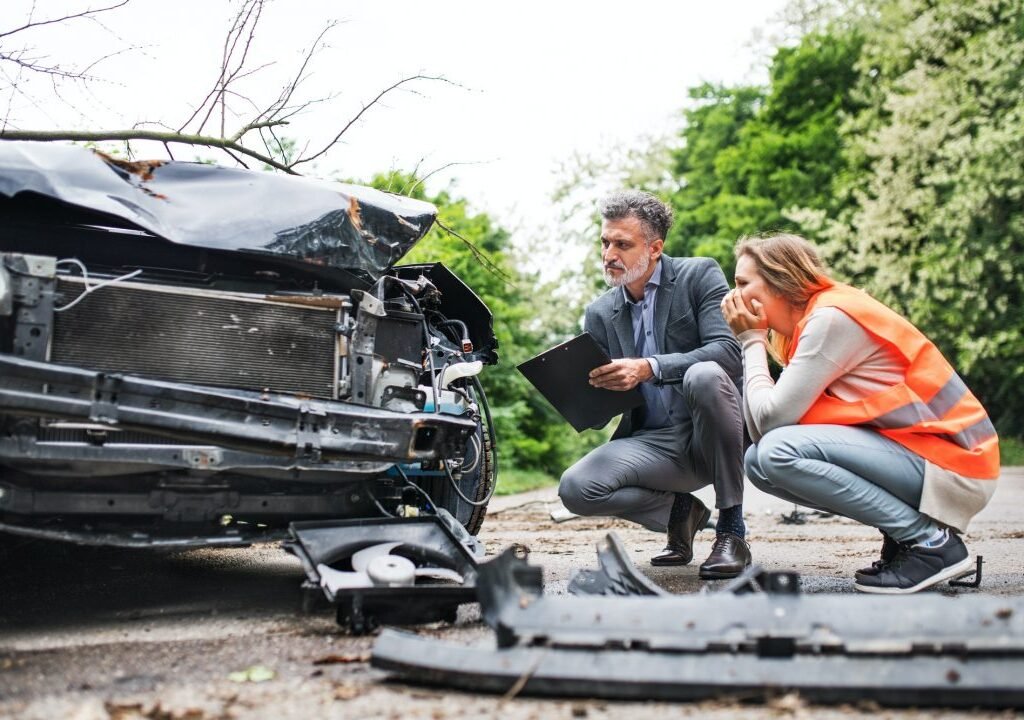
We assess collision damage, mechanical failure, missing components, flood exposure, fire damage and non-running condition. The offer depends on the complete vehicle, not one visible panel. A newer car with a damaged front end may retain strong parts value. An older vehicle with major structural damage may be valued mainly for reusable components and recyclable material.
- Accident and collision damage
- Engine or transmission failure
- Deployed airbags
- Broken suspension or steering
- Insurance write-off vehicles
- Vehicles without keys
Sell the Vehicle in Its Current Condition
Describe the main damage and any access limits. Photos help confirm the right towing equipment and reduce changes at pickup.
01
Collision Damage
Front-end, rear-end, side-impact, multi-panel and rollover damage. Tell us whether airbags deployed and whether the wheels remain aligned.
02
Mechanical Failure
Blown engines, failed transmissions, seized motors, electrical faults and vehicles that start but cannot move under their own power.
03
Flood or Fire Damage
Water exposure, interior contamination, wiring damage, smoke damage and partial fire loss. Do not start a flooded or fire-damaged vehicle for our assessment.
04
Incomplete Vehicles
Missing catalytic converters, wheels, keys, batteries or body parts. List missing items because completeness affects value and loading equipment.
05
Frame and Suspension Damage
Bent frames, broken control arms, collapsed suspension and locked steering. These vehicles often require a flatbed, winch or dollies.
06
Cosmetic Damage
Severe dents, hail damage, vandalism, broken glass and damaged interiors. A vehicle may retain value even when repair costs exceed the owner’s budget.
07
Insurance Write-Off
Total-loss and owner-retained salvage vehicles may be eligible. Confirm that the insurer has released the vehicle and that you still hold ownership.
08
Non-Running Condition
Dead batteries, no-start conditions, immobilizer faults and long-term storage. Tell us whether the car rolls, steers and has accessible tyres.
Sell a Damaged Car in 4 Steps
The process stays clear from the first description to the completed handoff.
1
Describe the Vehicle
Share the year, make, model, location, running status, damage and missing parts.
2
Review the Offer
Confirm the amount, payment method, required documents and whether towing is included.
3
Schedule Pickup
Choose an available collection window and provide access instructions for the driver.
4
Complete the Handoff
Match the vehicle to the documents, remove your plates and complete the agreed payment.
6 Factors That Shape Your Cash Offer
A damaged car is not valued by weight alone. The complete vehicle can contain repairable assemblies, reusable parts and recyclable material.
Parts demand and typical resale value create the starting point.
Damage to the frame, engine bay, airbags or cabin affects recoverable value.
A vehicle that starts, steers or rolls may require less complex collection.
Lower mileage and maintained components may retain stronger parts value.
Keys, wheels, catalytic converters, batteries and electronics affect the offer.
Underground clearance, locked steering, tight spaces and impound rules affect logistics.
Condition, Completeness and Access Are Reviewed Together
The offer reflects the whole vehicle and the equipment needed to collect it safely.
- Damage assessed panel by panel, not by appearance alone
- Missing parts and keys recorded before the offer is confirmed
- Towing equipment matched to the vehicle and the pickup site
Repair, Trade In, Sell Privately or Sell Directly?
The best route depends on repair cost, available time, ownership status and the vehicle’s condition.
Upfront spending
Repair and diagnostic costs
Usually low
Cleaning, listing and possible repairs
No repair required
Sale certainty
Not a sale route
Depends on replacement purchase
Depends on finding a buyer
Offer reviewed before pickup
Vehicle transport
Owner arranges
Owner or dealer arranges
Owner and buyer arrange
Pickup included on accepted vehicles
Damage disclosure
Not applicable
Dealer inspects
Seller must disclose clearly
Condition recorded in the quote
Time and appointments
Repair-shop visits
Dealer visit
Messages, viewings and negotiation
Quote, schedule and collection
Best fit
Repair makes financial sense
Buying another dealer vehicle
Car is roadworthy and marketable
Repair or private sale is impractical
Confirm Who Owns the Vehicle Before You Sell
An insurer may declare a vehicle a total loss without immediately transferring ownership. The settlement documents determine whether you retain the car or the insurer takes it. Do not arrange a sale until the insurer confirms the claim outcome and your right to dispose of the vehicle.
A lien can also limit the owner’s ability to sell. The Ontario Used Vehicle Information Package (UVIP) can include lien information and the vehicle’s registration history. Contact the lienholder before accepting an offer when money remains owing.
Ask the insurer, lender, body shop or impound facility what written release is required before pickup.
VIN
Match the VIN
Confirm the Vehicle Identification Number (VIN) on the permit matches the dashboard or body label.
UV
Review the UVIP
The Used Vehicle Information Package (UVIP) contains registration history, lien information and a bill of sale section.
BS
Complete a Bill of Sale
Record the buyer, seller, date, price, VIN, vehicle details and signatures in the original bill of sale.
PL
Keep Your Plates
Ontario licence plates stay with the seller, not the vehicle. Keep the permit’s plate portion as well.
Tell Us Where the Damaged Car Is Parked
Location and access determine the truck, loading plan and pickup time. Give accurate details before dispatch.
- Home driveway or workplace
- Body shop or repair facility
- Impound or storage yard
- Underground parking garage
- Accident storage location
- Tight or obstructed driveway
- Vehicle with locked steering
- Vehicle missing one or more wheels
Do not move a structurally damaged car onto a public road. We will confirm whether a flatbed, wheel-lift, winch or dollies are appropriate for the collection.
Toronto and GTA Service Areas
Pickup availability depends on the vehicle, location and access. Call with the exact address or nearest major intersection for scheduling.
Choose the Service That Matches the Vehicle
Each page answers a different vehicle-removal or sale intent.
Scrap Car Removal
Schedule pickup for a vehicle being removed for parts or recycling.
What Our Clients Say About Our Scrap Car Removal In The GTA ?
Our customers trust us for reliable, fast, and hassle-free scrap car removal. Here’s what they have to say
Posted on Google
 carol azille
Trustindex verifies that the original source of the review is Google.
Very fast service & professional staff. Gave very fair price.. excellent. Definitely recommend to all...Posted on Google S CAwesome guys very responsive super helpful no games... id recommend.Posted on Google
 PUNEET CHAUDHARYProfessional service provided. Gave fair price. Same day pickup. Recommend to all…Posted on Google
 Norberto PetrovicsExcellent services. Staff is very professional. They picked the car on same day. Gave very fair price..Posted on Google
 Beaver EditsGreat service, same day pickup guy paid a fair pricwPosted on Google
 Ahamed MufeezHelped me with my car for an accident. Prices were really fair and they were professional. Highly recommended.Posted on Google
 James LeeVery straightforward, quick, same day pickupPosted on Google
 INDERPAL SINGHVery professional team of Scrap cars 4 Cash. Sold my Honda Accord, they gave very good rate & picked the car same day. All experience was hassle free & very satisfactory. Definitely advise others as well if they need good cash for their old car..Posted on Google
 Jesleen SandhuGood service for our car which we scraped. Same day pickup & gave us very fair price.. overall hassle free experience. Recommends to all..Verified by TrustindexTrustindex verified badge is the Universal Symbol of Trust. Only the greatest companies can get the verified badge who has a review score above 4.5, based on customer reviews over the past 12 months. Read more
Sell Damaged Car for Cash FAQs
These answers cover condition, ownership, insurance write-offs, Ontario paperwork and pickup logistics.
Can I sell a damaged car that does not run?
Yes. Non-running vehicles can be assessed. State whether the car starts, rolls, steers, has keys and has all wheels. These details determine loading requirements.
Can I sell a car after an insurance total-loss decision?
Yes, if you still legally own the vehicle. Confirm whether the insurer took ownership or allowed an owner-retained settlement before accepting an outside offer.
Do you buy cars with deployed airbags?
Yes. Tell us which airbags deployed and whether the dashboard, seatbelts or interior panels were damaged. Airbag-system damage affects repair cost and vehicle value.
Is towing free when I sell the vehicle?
Yes, on accepted pickups when free towing is included in the confirmed offer. Disclose the location, access limits and vehicle condition before dispatch so the quote reflects the required equipment.
What documents do I need in Ontario?
The seller normally provides the vehicle portion of the permit with the transfer section completed, a signed bill of sale and the Used Vehicle Information Package (UVIP) when required. Keep your licence plates and the permit’s plate portion.
Can you collect a damaged car from a body shop or impound?
Yes, when the facility authorizes release. Clear storage charges, provide the release contact and confirm the facility’s pickup hours before scheduling.
Can I sell a damaged car with money owing on it?
Only after the lien is addressed. Contact the lender for the payout and release process. A buyer cannot ignore a registered security interest.
What details produce a more accurate offer?
Provide the year, make, model, trim, mileage, VIN, damage location, running status, missing parts, ownership status, pickup address and clear photographs from several angles.
Do I need to repair or certify the car first?
No. A direct damaged-car sale does not require you to repair the vehicle for our assessment. Document requirements depend on the ownership transfer, not on making the vehicle roadworthy.
How quickly can pickup be arranged?
Pickup timing depends on the city, truck availability, facility release and equipment required. Same-day service may be available when the offer and access details are confirmed early.
Ready to Sell Your Damaged Car?
Call with the vehicle details or send the quote form. A coordinator confirms the offer, documents and pickup window.