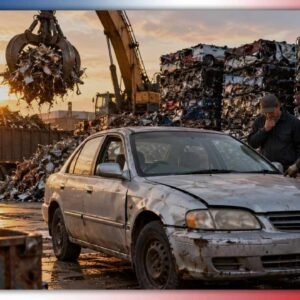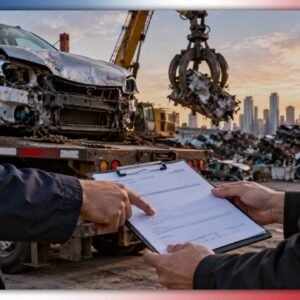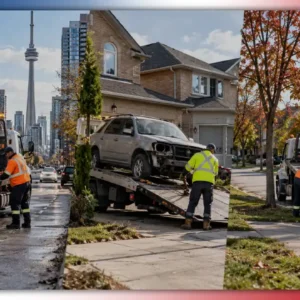
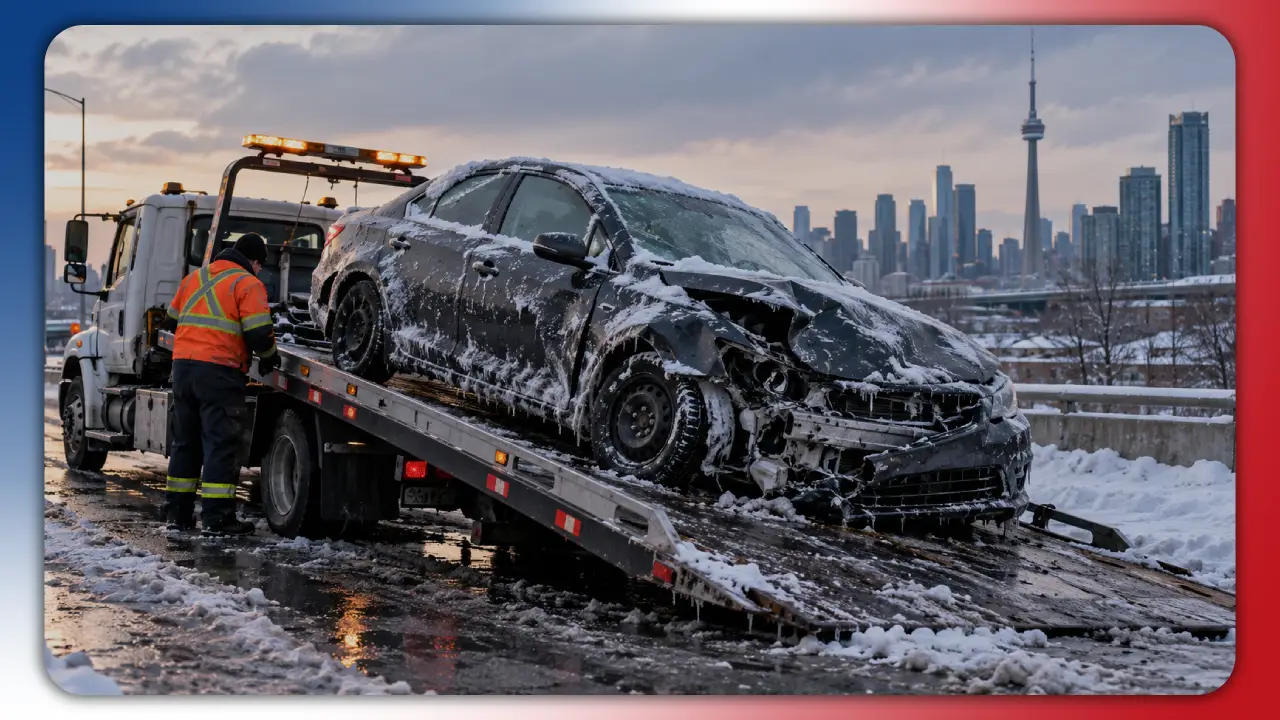
If a Toronto winter totalled your car, stop driving and document damage. Contact your insurer and compare repair costs with scrap offers. A winter totalled car Toronto scrap decision starts with ownership, safety, and a written vehicle assessment, not a guessed payout.
Toronto winters expose vehicles to road salt, slush, freezing rain, and potholes. Salt can accelerate corrosion around brake lines, rocker panels, and subframes. Collisions also damage steering, suspension, and structure. Do not drive a vehicle with suspected structural or braking damage.
Winter Totalled Car Toronto Scrap: First Steps
Start with 3 actions: protect people, record the damage, and clarify who controls the vehicle. Do not authorize a scrap sale while an insurer or lender still has an interest. Proper sequencing prevents unauthorized transfers.
Secure the Vehicle Before Moving It
Park in a lawful, accessible place when the car can move safely. Request professional towing after a collision, brake failure, or steering damage. Do not restart a flooded engine or inspect leaking fluids with bare hands.
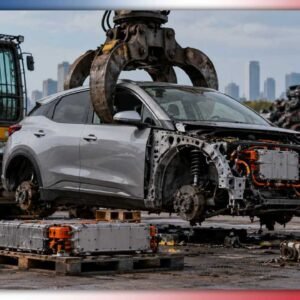
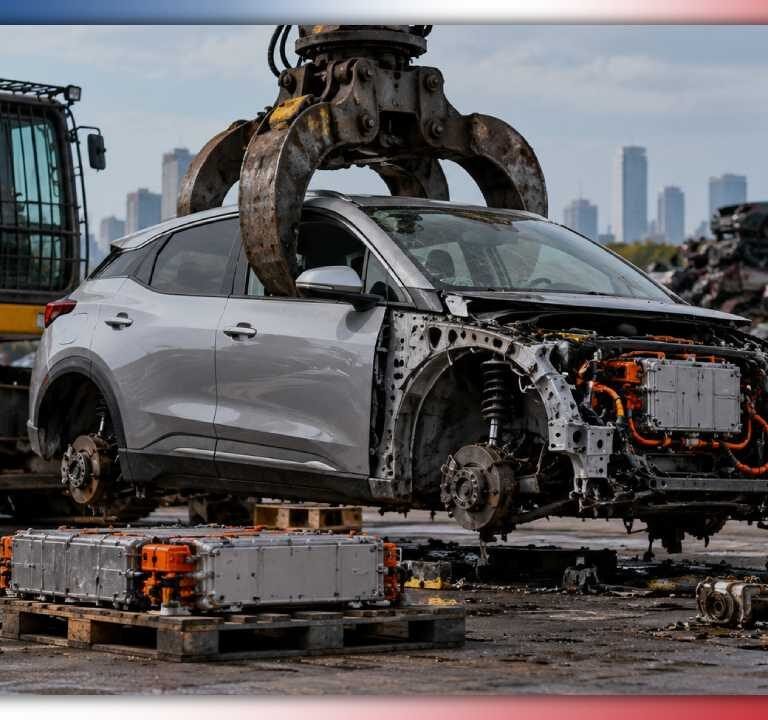
Keep your distance from a crushed high-voltage battery in a hybrid or electric vehicle. Tell the recovery operator about smoke, unusual heat, or exposed orange cables. Let trained personnel manage damaged battery systems.
Photograph 5 Important Areas
Take clear photographs of the front, rear, left side, right side, and visible underbody damage. Record dashboard warnings and odometer mileage when the vehicle powers on safely. Save the crash location, date, and relevant repair invoices.
Photograph salt corrosion, bent suspension arms, broken lights, and deployed airbags. Photograph the Vehicle Identification Number (VIN) plate without publishing the complete number online. Send images privately.
Confirm the Insurer’s Next Step
Contact your insurer promptly after an insured collision. Ontario’s Financial Services Regulatory Authority explains the reporting and claims process. Ask whether an adjuster must inspect the vehicle before any removal or dismantling.
Get the claim number and adjuster’s instructions in writing. Keep the car available for assessment unless the insurer approves relocation. Discuss authorized storage arrangements before an impound bill grows.
Toronto Winter Damage That Makes Cars Unsafe
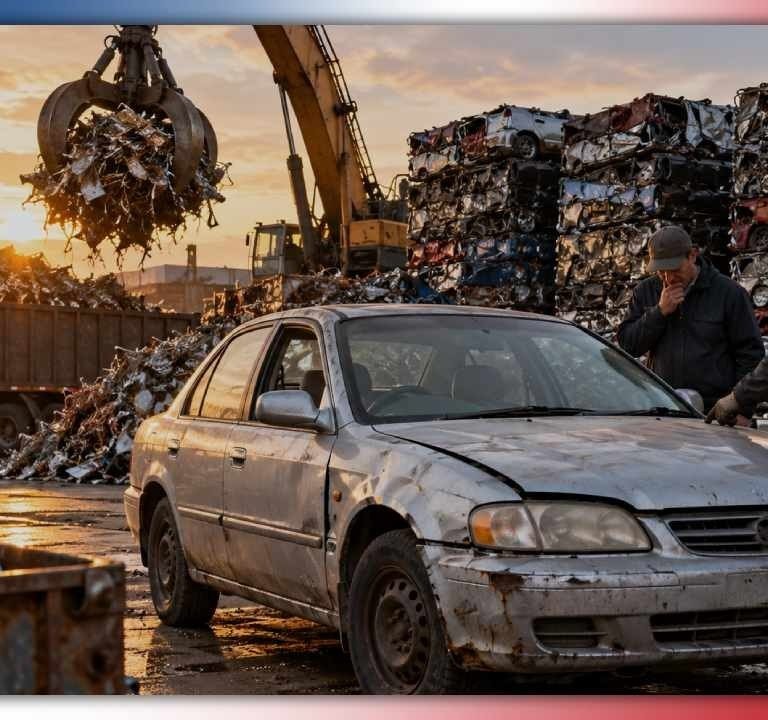
Winter can leave a car repairable, mechanically unreliable, or unsafe for road use. A mechanic must inspect hidden corrosion and collision damage. Surface rust alone does not prove that a car is a total loss.
Road Salt and Structural Corrosion
The City of Toronto applies road salt and liquid brine during winter maintenance. Saltwater reaches seams, brake lines, suspension mounts, and exposed steel. Rust around structural attachments needs professional assessment, not a cosmetic paint repair.
Ask a licensed technician to inspect frame rails, rocker supports, underbody members, and brake pipes. A technician can separate harmless surface oxidation from weakened load-bearing components. Do not scrape unstable metal while standing beneath an unsupported vehicle.
Potholes and Suspension Damage
Winter potholes can bend rims, damage control arms, and affect wheel alignment. A hard impact can also damage tires and steering components. Stop driving if you notice steering changes, severe vibrations, or visible tire bulges.
Request a written inspection of tires, wheels, control arms, tie rods, and the subframe. A visible wheel defect may hide additional impact damage. Compare the full repair estimate with the car’s realistic market value.
Flooding and Electrical Faults
Thawing snow can pool in low roads, underground parking, and flooded entrances. Water can damage wiring harnesses, sensors, modules, and interior electronics. Do not start a water-exposed engine before professional assessment.
Tell your insurer where the water reached inside the cabin. Photograph a visible waterline when safe. Ontario vehicle-branding rules treat certain severe flood-related damage differently from ordinary mechanical breakdowns.
Repair, Resale and Scrap Value Comparison
Compare 3 practical paths: repairing, selling with disclosed damage, or recycling the car. Base your choice on written estimates and ownership conditions. An older car with a manageable repair can still serve you safely.
Compare the True Repair Bill
Ask a mechanic for an itemized estimate covering labour, parts, diagnostics, and necessary safety work. Request separate totals for immediate repairs and known follow-up work. Include the cost of tires, brakes, and suspension if winter damage affected each system.
Compare the repaired car’s likely value with the full cost. A repair estimate below market value does not automatically make repair worthwhile. Consider future reliability, insurance conditions, and the vehicle’s remaining useful life.
Assess an Honest Private Sale
A running vehicle can attract a private buyer even with disclosed defects. Describe damage accurately, including corrosion, collision history, and warning lights. Avoid claiming roadworthiness without proper support.
A private sale adds messages, viewings, payment checks, and vehicle transfer steps. Severe structural damage sharply limits interested buyers. Do not permit a test drive when the car lacks safe steering or brakes.
Compare a Confirmed Scrap Offer
Request a vehicle-specific offer when further repairs lack financial value. Share the year, make, model, mileage, damage, and pickup location. The cash for cars quotes page explains the information needed for an assessment.
Compare the amount you receive after any stated deductions, not an advertised headline figure. Ask the buyer whether standard towing comes with an accepted offer. The website states that accepted purchases include pickup without a towing deduction.
Insurance Write-Offs and Vehicle Ownership
An insurer’s total-loss decision does not automatically give you permission to sell the wreck. Confirm the settlement and who owns the salvage first. A winter totalled car Toronto scrap sale needs a clear ownership release.
Total-Loss Settlements and Deductibles
Insurers assess the vehicle’s value and repair economics under the applicable policy and Ontario rules. Ask the adjuster for the valuation, deductible, settlement calculation, and vehicle-disposal terms. Review the settlement before signing an ownership release.
A financed vehicle can involve a lender or leasing company. Ask how the settlement addresses the outstanding balance. Do not assume the insurer’s payment clears every financing obligation.
Owner-Retained Salvage Arrangements
Ask the insurer whether you can retain the damaged vehicle. Request written confirmation of the proposed settlement adjustment and ownership release. Some settlements transfer the wreck to the insurer instead.
If you retain the wreck, check the vehicle brand and transfer documents before requesting pickup. The accident damaged car buyers page accepts inquiries about write-offs when the owner can legally sell. An insurer or lender must release any remaining interest.
Uninsured Winter Mechanical Failures
A seized engine, rusted brake line, or failed transmission does not automatically create an insurance claim. Review your policy for the specific event and coverage. A claim for collision damage differs from normal wear or corrosion.
Get a mechanic’s diagnosis for a car that stopped working after freezing weather. Confirm whether the problem affects safe driving or repair economics. Obtain an as-is scrap quote without describing mechanical failure as an insurance write-off.
Ontario Salvage and Irreparable Vehicle Branding
Ontario records vehicle brands through its Mandatory Vehicle Branding Program. The brand affects road use and future registration. A total-loss description and an official vehicle brand are not interchangeable terms.
Salvage, Rebuilt and Irreparable Categories
A Salvage vehicle cannot return to normal road use without the required structural inspection and rebranding. A Rebuilt vehicle has completed the prescribed process following a salvage designation. An Irreparable vehicle can serve only as parts or scrap.
Ontario also uses None as a vehicle brand. Certain vehicles with prior damage retain that designation under the program’s criteria. Check the recorded brand rather than assuming every insurer write-off carries the same status.
Insurance Records and Ontario Permits
Ask the insurer which brand applies to your vehicle after assessment. Check the vehicle permit and registration records. Confirm classification with ServiceOntario before selling a car with severe flood or structural damage.
Keep copies of the insurer’s letter and any branding paperwork. A branded car requires accurate disclosure during a subsequent lawful transfer. Do not advertise an Irreparable car for future road use.
Winter Totalled Car Toronto Scrap Value Factors
A scrap offer reflects recoverable material, usable components, condition, and collection logistics. A winter totalled car Toronto scrap quote does not follow one fixed price for every vehicle. Confirm the actual offer before booking.
Published Prices and Vehicle-Specific Quotes
Scrap Cars 4 Cash lists CAD $250 to $2,000 for typical GTA purchases. Some vehicles fall outside that range. The company does not promise the range for every vehicle. A larger write-off with valuable parts needs an individual inspection and quote.
The site’s service pages advertise free standard pickup for accepted vehicle purchases. Confirm any unusual recovery requirements in advance. Do not treat towing for an unsold vehicle as the same service as purchased scrap-car collection.
Parts, Weight and Completeness
Buyers review vehicle mass, remaining metal, demand for components, and missing parts. Examples include catalytic converters, engines, transmissions, alloy wheels, and batteries. A complete vehicle often offers more recovery options than a stripped shell.
A newer collision-damaged SUV can have different value from an older rusted sedan. Year and model alone cannot settle the offer. Send accurate photographs so the buyer can assess actual condition.
Winter Access and Collection Logistics
A buried car, locked wheels, missing keys, or a tight garage changes recovery planning. Tell the buyer about snowbanks, soft ground, underground clearance, and blocked steering. Photograph the access route without stepping into traffic.
Clear safe pedestrian access before the tow truck arrives. Do not push a damaged car across icy pavement. Ask whether the collection operator needs flatbed equipment or additional access arrangements.
Ontario Scrap Car Paperwork and Licence Plates
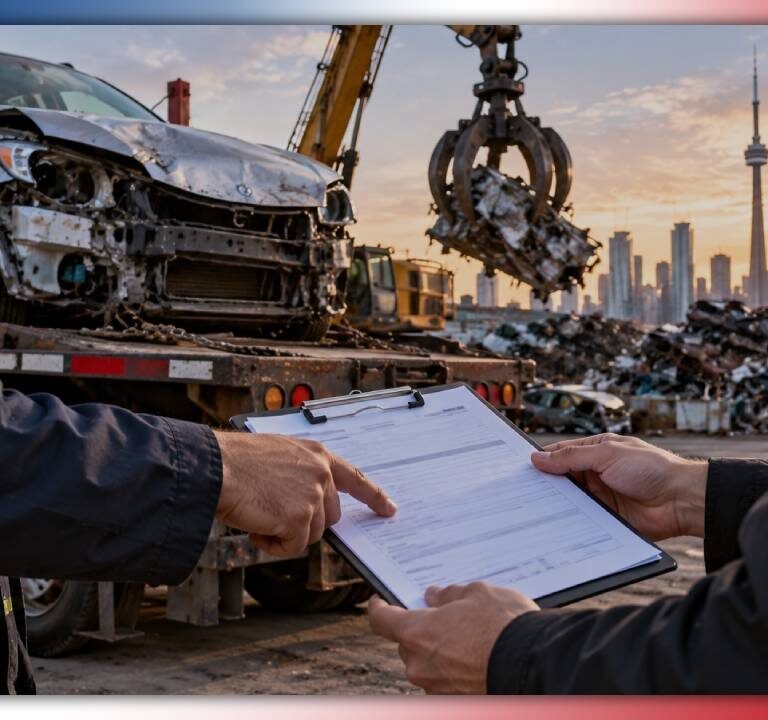
Prepare proof of ownership, a written sale record, and your identification before transferring a vehicle. Verify buyer details and any outstanding lien. Ontario’s standard vehicle-sale guidance places clear responsibilities on sellers.
Ownership Permit and Bill of Sale
Check the VIN against the vehicle portion of the Ontario permit. Record the buyer’s name, transaction date, purchase price, and vehicle details. Complete the transfer section only when the sale is authorized.
Keep a copy of the signed bill of sale and transfer record. Ask ServiceOntario which Used Vehicle Information Package requirements apply to your specific recycler transaction. Do not rely on blanket online claims about automatic paperwork exemptions.
Plates, Personal Belongings and Records
Remove both licence plates before the pickup. Ontario normally treats plates as belonging to the owner rather than the vehicle. Keep the plate portion of the permit for future registration or ServiceOntario instructions.
Take out your 407 transponder, garage remote, keys for other property, documents, and personal electronics. Check the glovebox, trunk, seat pockets, and under seats. Record the tow operator’s information and keep the collection receipt.
Insurance Cancellation and Liens
Contact your insurer after confirming the sale and coverage implications. Ask your broker about cancellation or transfer timing and any refund terms. Do not cancel prematurely while you still face an unresolved insured risk.
Ask your lender for written instructions if the vehicle has a lien. An outstanding loan can prevent an ordinary sale without lender authorization. Retain proof of lawful possession.
Scrap Car Pickup During Toronto Winter Conditions
You can arrange removal after confirming the vehicle’s location, legal release, and recovery needs. Never promise the tow truck unrestricted access before checking site conditions. A winter totalled car Toronto scrap pickup needs accurate logistics.
Home Driveways and Condo Parking
Give the operator the exact street address and vehicle position. Identify narrow gates, steep driveways, and low garage ceilings. Provide the building manager’s loading instructions when a condo controls access.
Tell the crew whether snow blocks the tires or prevents a flatbed from entering. Obtain property permission when the car sits in a shared garage. Get the shop’s release before collection.
Repair Shops and Impound Facilities
Confirm payment of approved storage charges and release conditions before dispatch. Ask the facility what identification the authorized pickup driver must show. Keep the release confirmation with your vehicle documents.
Document the vehicle’s condition before the handoff. Check the final offer after the buyer verifies the vehicle. Decline a surprise reduction without a specific explanation and your agreement.
The Pickup-Day Quick Reference
Follow the sequence below for a normal authorized collection. Timing reflects practical order. Difficulty describes owner effort.
| Task | Timing | Method | Difficulty |
| Confirm ownership and insurer release | Before quote | Review claim, permit and lien records | Moderate |
| Document damage and access | Before booking | Take 5 photos and note blocked wheels | Easy |
| Compare offer and towing terms | Before acceptance | Request written net payment and pickup terms | Easy |
| Remove plates and belongings | Before arrival | Keep plates, documents and personal items | Easy |
| Verify payment and sale papers | At pickup | Check buyer identity and retain signed records | Moderate |
| Contact insurer and ServiceOntario | After transfer | Update policy and registration records | Moderate |
Responsible Recycling of Winter-Damaged Vehicles
Vehicle recycling should recover reusable components and control harmful fluids. Winter damage does not remove the need for safe handling. Responsible operators arrange suitable recycling.
Fluids, Batteries and Recyclable Materials
Auto recyclers handle substances such as engine oil, coolant, brake fluid, and refrigerants through suitable processes. Metal recovery separates materials such as steel, aluminium, and copper where practical. Batteries require special handling, especially after collision or flooding.
Do not drain automotive fluids onto pavement, soil, or a storm drain. Tell the recycler about a leaking fuel tank or damaged battery. Request confirmation about the collection process when the vehicle presents unusual hazards.
Post-Scrap Ownership Follow-Up
Keep the receipt and complete the required registration follow-up. Ask ServiceOntario about record updates for a sold or dismantled vehicle. Monitor your insurance statement for continued charges after cancellation.
Save copies of the purchase agreement and buyer contact information. A complete document trail helps you address later questions about a transferred car. Record the handoff date before deleting messages about the sale.
Frequently Asked Questions
Can I scrap a car after my insurer totals it?
Yes, if you legally retain ownership and obtain any required insurer or lender release. Confirm the settlement terms before accepting a buyer’s offer.
Does winter rust automatically make a car a total loss?
No. A qualified assessment must distinguish surface rust from structural damage. Repair economics and insurance coverage also affect the decision.
Will Scrap Cars 4 Cash tow my damaged vehicle for free?
Yes, standard towing is included with an accepted vehicle purchase. Confirm unusual access, missing wheels, and recovery conditions when requesting a quote.
Can I drive an Ontario salvage-branded vehicle?
No, not as a normal road vehicle while the Salvage brand remains. Ontario requires the applicable inspection and rebranding process before lawful return to road use.
What happens to my licence plates after scrapping?
Remove and keep your plates. Ask ServiceOntario about storage, transfer, or return, and update the vehicle’s records as needed.
Final Steps for Toronto Vehicle Owners
A winter totalled car Toronto scrap decision begins with safety, a defensible assessment, and ownership confirmation. Compare repair value, insurance settlement terms, and actual scrap offers before authorizing collection. The best decision protects your records and prevents unexpected charges. Request a vehicle-specific quote through Toronto scrap car removal and describe every winter-related fault before arranging pickup.