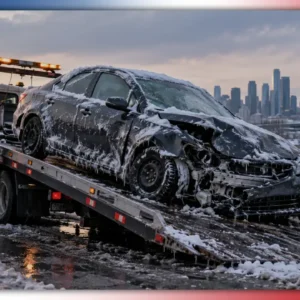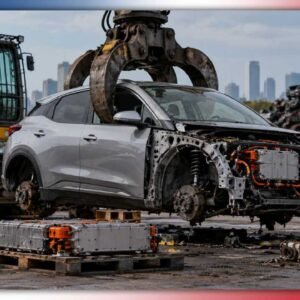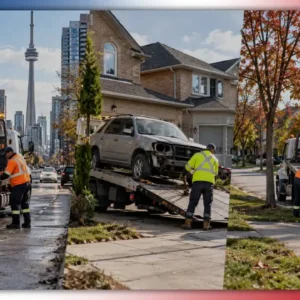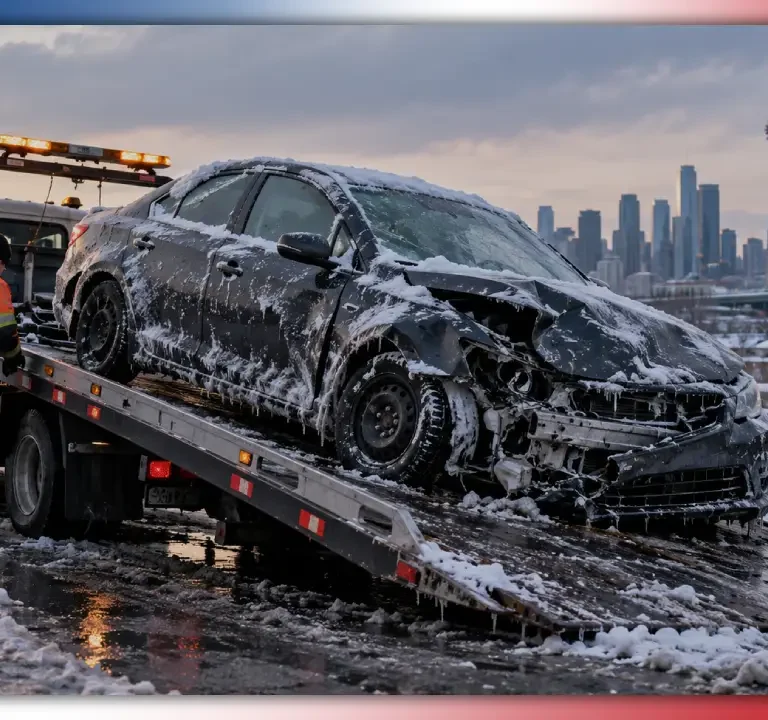
You have 6 realistic car with a blown engine options in 2026: sell it as-is, take a scrap buyer’s cash offer, part it out, repair or replace the engine, donate it, or trade it toward a replacement vehicle. The right path depends on the car’s remaining value, your budget, and how fast you want it gone.
A blown engine means the car cannot move under its own power because a critical internal part, such as a piston, rod, or valve, has failed. Owners across Ontario and the Greater Toronto Area (GTA) face this problem every year, and the six options below cover every realistic path forward, along with the Ontario paperwork each one requires.
Why Do Engines Blow? 4 Common Causes
Knowing the cause helps you judge whether the rest of the car is still sound enough to repair or trade. Most blown engines in the GTA trace back to one of four root causes.
- Lack of maintenance: skipped oil changes, worn hoses, and a failing water pump starve the engine of lubrication and cooling.
- Overexertion: towing loads beyond the engine’s rated capacity or running at high RPM for long stretches overheats internal parts.
- Unsupported modifications: a turbo or supercharger added without upgrading the cooling system generates more heat than the block can handle.
- Extreme temperature swings: diluted coolant or the wrong coolant rating can freeze or boil, cracking the engine block from the inside.
A car that blew its engine from simple neglect usually has a sound transmission and suspension underneath, which raises its value for Options 3, 4, and 6 below.
What Are Your Options for a Car With a Blown Engine?
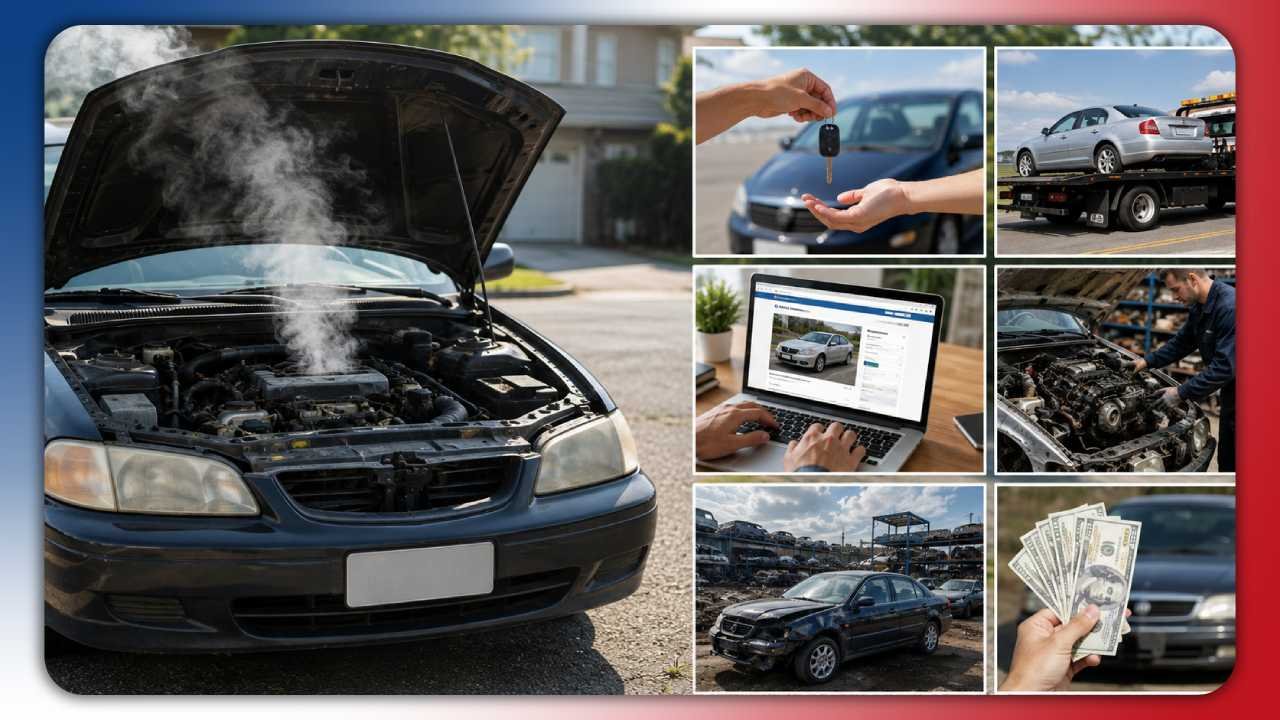
Your car with a blown engine options fall into six categories, and each one suits a different budget and timeline.
- Option 1: Sell the car as-is to a private buyer or online marketplace.
- Option 2: Take a cash offer from a local scrap or junk car buyer.
- Option 3: Part out the vehicle and sell components separately.
- Option 4: Repair or replace the engine and keep driving the car.
- Option 5: Donate the vehicle to a registered charity for a tax receipt.
- Option 6: Trade the car in toward a replacement vehicle at a dealership.
Owners with older, high-mileage vehicles usually choose Option 1 or Option 2. Owners with newer cars that still hold value often choose Option 4.
How to Confirm the Engine Is Actually Blown Before You Decide
To confirm the engine is actually blown, run two checks first: a compression test and an OBD2 (on-board diagnostics) code scan. Some cars that look like a total engine loss actually have a cheaper, fixable problem.
3 Warning Signs That Confirm Real Engine Failure
- Metal shavings in the oil usually means internal metal parts are grinding against each other.
- Milky or frothy oil signals coolant mixing with oil, often from a cracked block or blown head gasket.
- A deep knocking sound that speeds up with engine RPM (revolutions per minute) points to a thrown rod or worn bearing.
2 Tests That Rule Out a Cheaper Repair
A compression test measures pressure in each cylinder, and a variance of 20% or more between cylinders points to real internal damage. An OBD2 scanner pulls the exact fault code, and a single misfire code often traces back to one bad spark plug or coil, not a destroyed engine. Losing more than 1 quart (0.95 liters) of oil per week during this stage also signals internal wear that a scan alone will not catch.
Option 1: Sell Your Car With a Blown Engine As-Is
To sell a car with a blown engine as-is, list it honestly online and target buyers who want a project car or parts source. This route pays the least, but it moves the car within days.
4 Places to Sell a Non-Running Car in Ontario
- Kijiji: free local listings for private buyers and hobbyists.
- Facebook Marketplace: a wide reach across the GTA and nearby regions.
- Local salvage yards: specialty buyers who resell parts or restore vehicles.
A free junk car pickup service removes the vehicle at no cost, which saves you the hassle of arranging your own tow when a private buyer falls through.
Selling as-is works best when the rest of the car shows heavy wear too, since buyers discount the price further for rust, worn tires, or high mileage on top of the dead engine. Expect the lowest offer of all 6 options, balanced against the shortest time to close a deal.
Option 2: Get Cash for Cars With Blown Engines From a Scrap Buyer
A GTA scrap buyer typically pays $150 to $800 CAD for a car with a blown engine, based on curb weight and remaining resalable parts.
What Ontario Scrap Buyers Pay for a Blown Engine Car
Steel and scrap metal prices set the baseline offer, and cars with an intact transmission, catalytic converter, or good tires usually earn a higher quote. Most scrap buyers give an instant phone or online quote and arrange same-day towing at no charge to you.
A dedicated cash for junk cars program pays on the spot once the tow truck arrives, so you avoid waiting on a private buyer to confirm a sale.
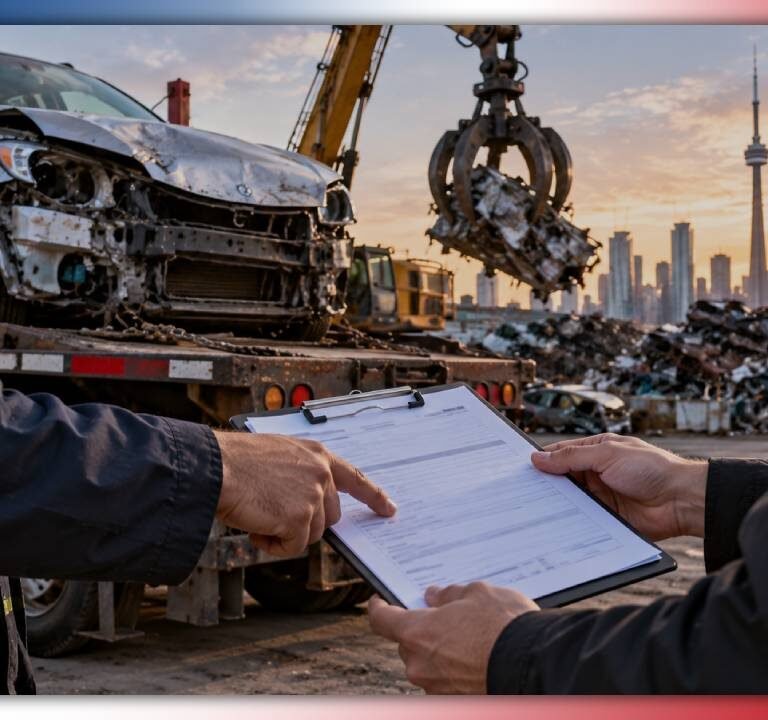
Most GTA scrap buyers ask for the year, make, model, and a short description of the damage before they quote a price. Have the vehicle permit ready, since the buyer needs it to complete the ownership transfer at pickup.
Option 3: Part Out the Vehicle and Sell Components Separately
Parting out a car with a blown engine can earn more money than a whole-car sale, but it demands tools, space, and 2 to 4 weeks of your time.
6 Parts That Hold the Most Resale Value
- Transmission: often undamaged even when the engine has failed.
- Catalytic converter: a valuable emissions part on many models.
- Electrical components: alternator, starter motor, and wiring harness.
- Wheels and tires: worth more as a matched set than individually.
- Body panels: doors, hoods, and fenders in good condition.
- Infotainment systems: touchscreens, speakers, and factory head units.
How to Remove Parts Safely
- Research which parts sell fastest for your specific make and model on local marketplaces.
- Gather tools: a socket set, wrenches, a service manual, and a jack rated for the vehicle’s weight.
- Work safely: Disconnect the battery first, then remove panels and components in a slow, methodical order.
- List for sale: Clean each part, photograph it clearly, and list an honest condition description.
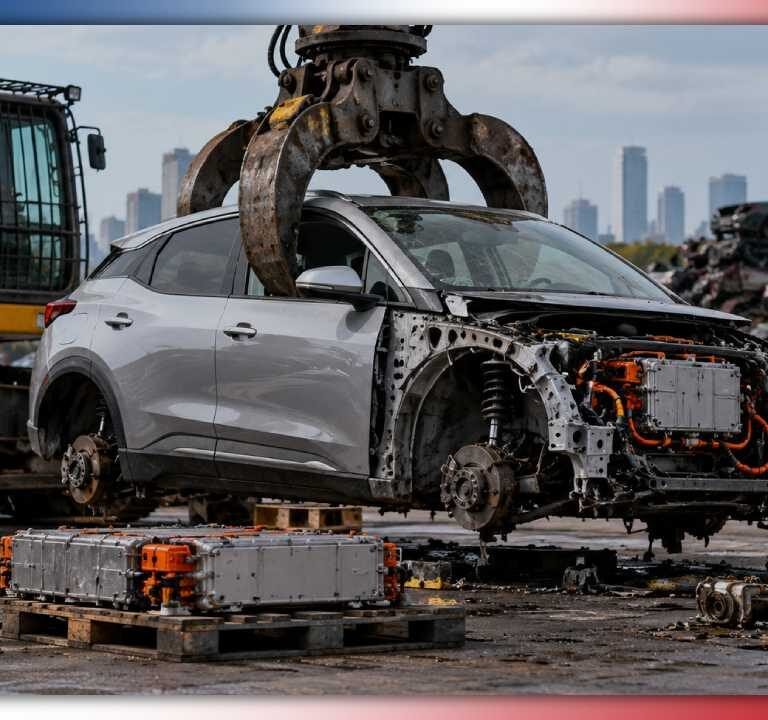
A bare chassis still needs disposal once you finish, so budget an extra step and a small fee for the final scrap pickup.
Option 4: Repair or Replace the Blown Engine
Replacing a blown engine costs $3,000 to $6,000 CAD on most passenger vehicles, and luxury or European models often cost 50% to 100% more.
Used, Remanufactured, or New Engine: 3 Choices
- Used engine: pulled from a donor vehicle, the cheapest option, and best bought with a warranty.
- Remanufactured engine: rebuilt to factory specifications with a stronger warranty and better reliability.
- New engine: the most expensive choice, and rarely cost-effective for cars over 10 years old.
A typical inline-4 engine weighs about 300 pounds (136 kg), which is why labor, not just parts, drives a large share of the total bill. Get 2 or 3 quotes from independent mechanics before you commit, since labor rates vary widely across the GTA.
Ask each mechanic for a written warranty period on both the engine and the labor, since a used engine without a warranty can fail again within months. A remanufactured engine usually carries a warranty of 1 to 3 years, which offsets the higher upfront price on a car you plan to keep.
Option 5: Donate the Vehicle for a Tax Receipt
Donating a car with a blown engine earns you a charitable tax receipt instead of cash, and most registered charities arrange free pickup.
Confirm the charity accepts non-running vehicles before you commit, since not every organization has towing capacity for a dead engine. You still need the vehicle permit and a signed transfer to complete the donation under Ontario rules.
Ask the charity how they plan to use the vehicle, since the sale price they later receive for it can affect the deduction amount you claim. A tax professional can confirm the exact figure that applies to your return.
Option 6: Trade the Car In Toward a Replacement Vehicle
Trading in a car with a blown engine reduces the price of your next vehicle by the dealership’s appraised trade value, though that figure runs lower than a private sale.
Dealerships accept non-running trade-ins more often than most owners expect, especially on a used car purchase from the same lot. Get an independent scrap quote first so you can compare it against the dealer’s trade offer before you sign.
A dealership rolls the trade value into your new purchase price rather than paying you directly, which can lower the provincial sales tax owed on some transactions. Ask the finance manager to show the trade value as a separate line item before you agree to the deal.
How to Handle Ontario Paperwork Before You Get Rid of the Car
To get rid of a car with a blown engine legally in Ontario, gather 3 documents before the buyer or tow truck arrives.
- Vehicle history: A Used Vehicle Information Package (UVIP) from ServiceOntario, required for most private sales.
- Proof of ownership: The vehicle permit (ownership) signed over to the new owner or buyer.
- License plates: Return your plates to ServiceOntario or transfer them to a replacement vehicle.
Cancel or adjust your insurance policy only after the sale closes, and keep minimal liability coverage active while the car still sits on your property.
A licensed scrap car removal service typically handles the Ministry of Transportation (MTO) deregistration paperwork for you, which removes one more task from your list.
Quick-Reference: Tasks, Timing, and Difficulty for Each Step
Use this table to plan the sequence of tasks between confirming the failure and closing the sale.
| Task | Timing | Method | Difficulty |
| Confirm the engine is blown | 1 day | Compression test and OBD2 scan | Easy |
| Sell the car as-is online | 1 to 7 days | Facebook Marketplace or Kijiji listing | Easy |
| Get a scrap buyer quote | Same day | Phone or online quote form | Easy |
| Part out the vehicle | 2 to 4 weeks | DIY removal and online part listings | Hard |
| Replace the engine | 3 to 10 days | Independent mechanic or dealership | Hard |
| Donate the vehicle | 1 to 2 weeks | Registered charity pickup program | Medium |
| Complete Ontario paperwork | Same day | UVIP, plate return, insurance cancellation | Medium |
Comparing Your Car With a Blown Engine Options at a Glance
This table lines up all 6 options by cash value, effort, and the owner each option suits best.
| Option | Cash Value | Effort | Best For |
| Sell As-Is | Very Low | Very Low | Fastest removal, older cars |
| Scrap Buyer Cash Sale | Low | Very Low | GTA owners wanting same-day pickup |
| Part It Out | Medium to High | High | Hands-on owners with space and time |
| Repair or Replace | High (if car is valuable) | Medium to High | Newer cars worth saving |
| Donate | Tax receipt only | Low | Owners who want a write-off, not cash |
| Trade In | Medium | Low | Owners replacing the car right away |
Frequently Asked Questions About Car With a Blown Engine Options
Can you drive a car with a blown engine?
No. A truly blown engine cannot move the car reliably, and forcing it to run risks turning a repairable problem into total engine failure.
Is it worth fixing a blown engine?
Yes, if the car is worth more than the repair bill. Compare a $3,000 to $6,000 CAD replacement cost against the car’s running-condition value first.
Do scrap buyers pay more for a car with a good transmission?
Yes. An intact transmission, catalytic converter, or set of tires raises the offer above a base scrap-metal price.
Can I sell a car with a blown engine without a safety certificate in Ontario?
Yes, private sales of non-running vehicles for scrap or parts do not require a Safety Standards Certificate, though you still need a signed UVIP and permit.
Will removing my car from insurance before selling it look suspicious?
No. Dropping comprehensive or collision coverage on a non-running vehicle is routine, and insurers see it constantly. Wait until the sale closes before you cancel the policy.
Choose the Car With a Blown Engine Option That Fits Your Situation
A blown engine does not have to sit in your driveway for months. Confirm the failure with a compression test, weigh the 6 options above against your budget and timeline, then move on the one that fits. If a fast, no-hassle cash sale fits your situation, get a free same-day quote from Scrap Cars 4 Cash and have the vehicle gone from your GTA property before the week is out.