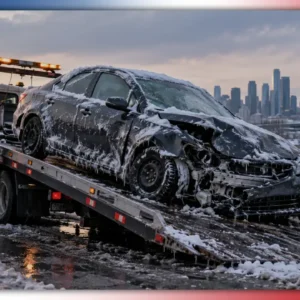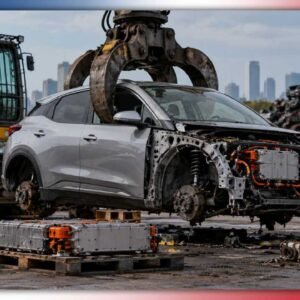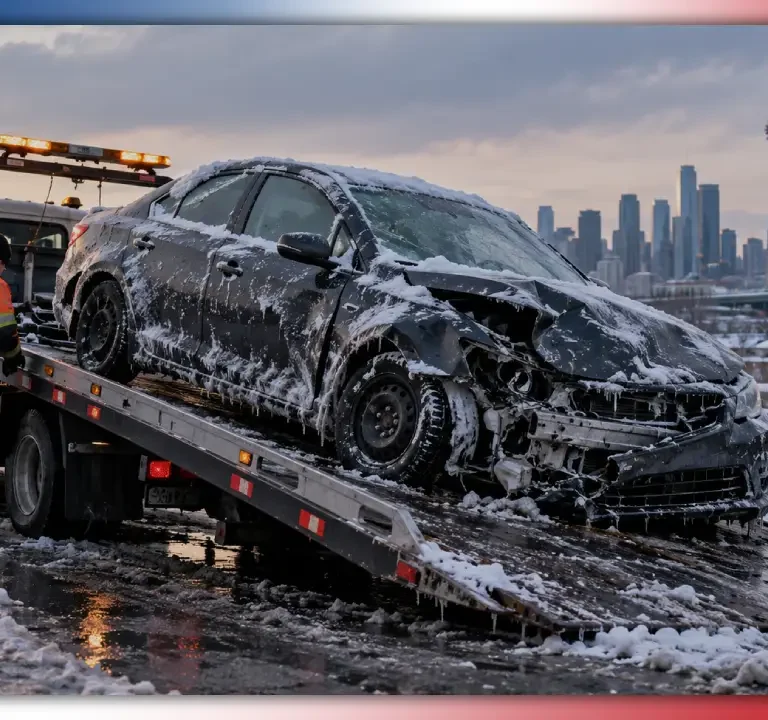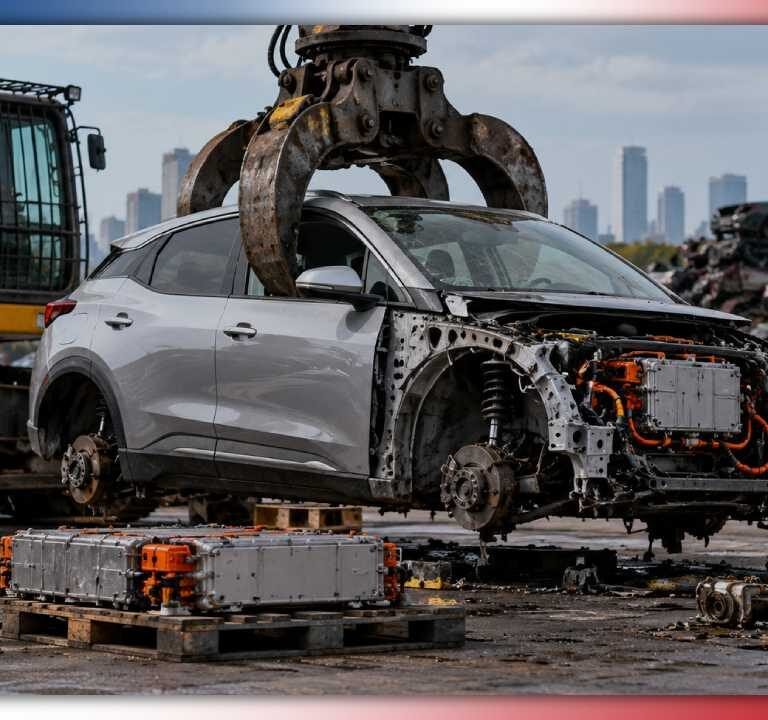
The catalytic converter, engine, and transmission rank as the most expensive scrap car parts in 2026. These 3 components make up 60% to 70% of a scrap vehicle’s total parts value at Ontario recyclers.
A complete scrap car in the Greater Toronto Area (GTA) sells for $150 to $800, based on a vehicle weight of 1,000kg to 2,200kg (2,200lbs to 4,850lbs). Selling these parts separately can raise that total to $1,200 or more. Precious metals inside the catalytic converter, copper wiring in the alternator, and aluminum in the wheels drive most of that extra value.
You gain the most money when you know which parts buyers want before you call a scrap yard. This guide ranks 10 expensive scrap car parts by average 2026 value. The guide explains why each part costs what it does, and shows you how to sell them the right way in Ontario.
Ontario scrap yards, auto recyclers, and dismantlers across Toronto, Mississauga, Brampton, and Vaughan all price these components using the same core factors. Understanding those factors before your first phone call puts you in a stronger negotiating position.
What Factors Affect Scrap Car Parts Prices in 2026?
4 factors determine scrap car parts prices in 2026: metal content, part condition, vehicle demand, and market timing. Steel, aluminum, and copper prices shift weekly based on global manufacturing demand.
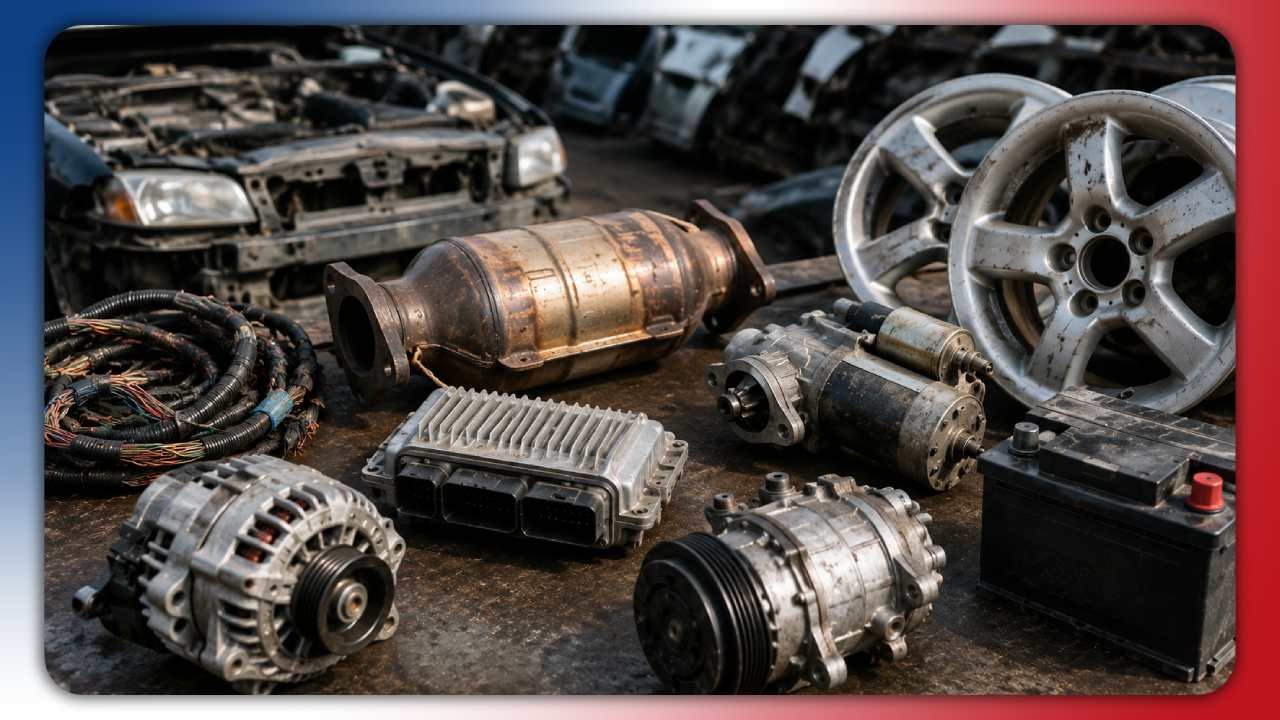
Metal content matters most for parts like radiators, alternators, and catalytic converters. Copper wiring inside an alternator brings $2.45 to $3.10 per pound (0.45kg) on current recycling markets, while raw steel brings $0.08 to $0.16 per pound (0.45kg).
Part condition affects price for engines, transmissions, and electronics. A running engine sells for 3 to 5 times more than a seized one. Working components such as GPS navigation systems and power seats hold value only when buyers confirm every function operates correctly.
Vehicle demand shifts value toward popular models. Parts from a Honda Civic, Toyota Camry, or Ford F-150 sell faster than parts from a discontinued model, since Ontario repair shops stock more replacement orders for common vehicles. Rare imports and low-volume models often sit unsold for months, even when their parts remain in good condition.
Market timing raises or lowers your payout by 10% to 20% within a single month. Spring and summer months typically bring higher scrap metal prices due to increased construction and manufacturing activity across Canada.
Why Do Catalytic Converters Command the Highest Scrap Prices?
Catalytic converters command the highest scrap prices because they contain 3 precious metals: platinum, palladium, and rhodium. A single unit sells for $150 to $600 in the Canadian market during 2026.
The catalytic converter (CAT) sits inside a vehicle’s exhaust system. The CAT converts toxic gases such as carbon monoxide into safer emissions. Manufacturers coat the CAT’s honeycomb core with platinum, palladium, and rhodium to trigger that chemical reaction.
Rhodium trades at a higher price per ounce (28 grams) than gold on most metal exchanges. This price gap explains why thieves target parked cars for converter theft across Toronto, Mississauga, and Brampton. Ontario police services reported hundreds of converter thefts in 2025 alone.
Hybrid vehicles such as the Toyota Prius and Honda Insight carry converters with higher precious metal loads. A hybrid catalytic converter sells for $400 to $1,000 depending on the make and weekly metal spot prices.
Original equipment manufacturer (OEM) converters contain a denser metal loading than aftermarket replacements. An OEM converter from a Toyota, Honda, or Ford typically sells for 20% to 40% more than an aftermarket unit of the same size, since recyclers trust factory-specified metal ratios.
You should remove and store a catalytic converter separately if a vehicle sits unused for more than 30 days. A licensed auto recycler verifies the metal content and offers a fair, documented price.
How Much Is a Scrap Car Engine Worth in 2026?
A scrap car engine sells for $300 to $2,500 in 2026, depending on whether it still runs. Engine value ranks second only to the catalytic converter among expensive scrap car parts.
A running engine with fewer than 160,000km (100,000 miles) fetches the highest price. Mechanics install a low-mileage engine directly into another vehicle without a rebuild. A seized or cracked engine still earns money for its aluminum block and steel components, typically $200 to $500 based on weight.
Engine size affects price too. A V8 engine from a Ford F-150 or Chevrolet Silverado weighs 180kg to 225kg (400lbs to 500lbs) and contains more recoverable aluminum than a 4-cylinder engine from a Honda Civic. Buyers pay a premium for popular truck and SUV engines because demand for used replacements stays high across Ontario repair shops.
Aluminum engine blocks recycle at a higher rate per pound than cast iron blocks. A 4-cylinder aluminum block engine can outperform a heavier cast iron 6-cylinder engine in scrap value, even though the iron engine weighs more overall.
Diesel vs Gasoline Engine Value
Diesel engines typically sell for 25% to 50% more than comparable gasoline engines. Diesel blocks use thicker cast iron and stronger internal components built to handle higher compression. Trucks and vans with diesel engines, such as the Ford F-250 and Ram ProMaster, draw strong demand from commercial buyers across Ontario.
Removing an engine takes 4 to 6 hours with an engine hoist, socket set, and floor jack. This task requires an advanced skill level. Most GTA residents let a professional removal service extract and grade the engine instead.
What Makes a Transmission Valuable for Scrap Buyers?
A transmission earns value from its aluminum casing, internal gears, and torque converter. Prices range from $150 to $800 for a working unit in 2026.
Automatic vs Manual Transmission Value
Automatic transmissions typically sell for 20% to 30% more than manual transmissions. Automatic units contain a torque converter with additional copper and steel content. Manual transmissions weigh less and contain fewer recoverable parts, which lowers their scrap price to $100 to $300 on average.
Signs Your Transmission Still Has Resale Value
A transmission holds resale value if it shifts smoothly, shows no fluid leaks, and comes from a vehicle with under 200,000km (124,000 miles). Buyers reject transmissions with metal shavings in the fluid or a burnt odor, since these signs point to internal gear damage.
Transfer Case Value on 4-Wheel-Drive Vehicles
A transfer case adds $50 to $150 to total drivetrain value on 4-wheel-drive trucks and SUVs. This component splits power between the front and rear axles. Buyers often purchase a transfer case alongside the transmission as a matched set.
Which Scrap Car Body Parts Sell for the Most Money?
Alloy wheels, bumpers, and body panels rank among the most expensive scrap car parts outside the engine bay. Combined, these 3 categories add $200 to $600 to your total payout.
Alloy Wheels and Rims
Alloy wheels sell for $30 to $150 each based on size and condition. A 20-inch (51cm) alloy wheel from a luxury SUV brings more money than a 15-inch (38cm) steel wheel from an economy sedan. Aluminum content, not just size, drives the price difference.
Bumpers and Body Panels
Modern bumpers contain sensors, cameras, and brackets that raise their resale value to $50 to $300. Hoods and trunk lids made from aluminum sell for 15% to 25% more per panel than steel versions, since aluminum recycles at a higher rate per pound.
Windshields and Glass Components
Windshields with built-in sensors and rain-detection features sell for $50 to $200. Basic windshields without sensors bring $20 to $80, since the raw glass and mounting brackets contain minimal recoverable metal.
How to Sell Expensive Scrap Car Parts in Ontario
To sell expensive scrap car parts in Ontario, you first decide between removing parts yourself or selling the whole vehicle to a licensed buyer. Each path carries different time costs and payout potential.
Selling Parts Individually vs Selling the Whole Car
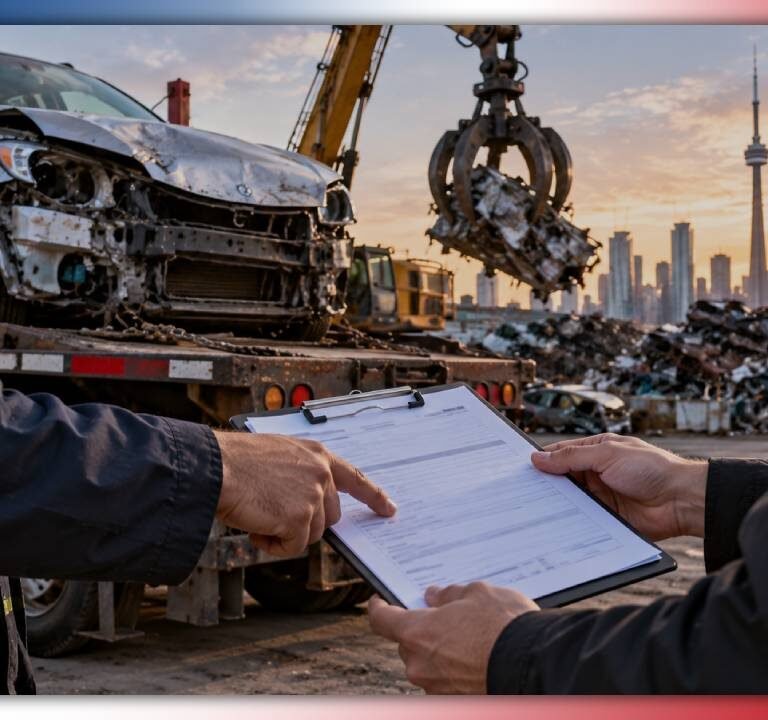
Selling parts individually can raise your total payout by $500 to $2,000. This process takes 2 to 4 weeks and requires tools, storage space, and buyer research. Selling the whole car to a licensed buyer delivers payment the same day, with free towing and zero dismantling work on your end.
Most Ontario residents choose the whole-car route because a licensed buyer already accounts for engine, transmission, and catalytic converter value in the quote. You avoid storage headaches, listing photos, and buyer negotiations this way.
Legal Requirements for Ontario Scrap Vehicle Sales
Ontario law requires proof of ownership before any registered scrap yard accepts your vehicle. The Ministry of the Environment, Conservation and Parks also regulates fluid disposal. A licensed scrap car removal service drains oil, coolant, and refrigerant according to provincial rules.
You must also cancel your vehicle registration and plates with the Ministry of Transportation (MTO) after the sale. A professional removal company typically handles this paperwork step on your behalf.
Keep a copy of your bill of sale, vehicle identification number (VIN), and any part-removal receipts for at least 12 months. Ontario buyers and insurers occasionally request this documentation during disputes or audits.
How Does Vehicle Age Affect Scrap Parts Value?
Vehicle age affects scrap parts value through 3 stages: newer vehicles (2018 to 2026), mid-age vehicles (2008 to 2017), and older vehicles (before 2008). Each stage carries a different pricing pattern at Ontario recyclers.
Newer vehicles hold the highest parts value because their engines, transmissions, and electronics still match current repair-shop demand. A 2019 Honda CR-V yields significantly more resale value per part than a 2003 equivalent, even at similar mileage.
Mid-age vehicles from 2008 to 2017 still carry strong demand for engines, transmissions, and body panels. Buyers rebuild and resell these components often, since millions of these models remain on Ontario roads today.
Older vehicles built before 2008 lose demand for electronics and body panels first. Their scrap value shifts almost entirely to raw metal weight, plus any surviving catalytic converter or engine block.
Scrap Car Parts Value Chart (Quick Reference)
This chart lists average 2026 removal time, difficulty, and value for 8 expensive scrap car parts.
| Part | Removal Method | Time Required | Difficulty | Avg. 2026 Value (CAD) |
| Catalytic Converter | Unbolt from exhaust pipe | 1-2 hours | Moderate | $150-$600 |
| Engine | Hoist and disconnect mounts | 4-6 hours | Advanced | $300-$2,500 |
| Transmission | Drop pan, unbolt housing | 3-4 hours | Advanced | $150-$800 |
| Alloy Wheels (each) | Lug wrench removal | 15-20 mins | Easy | $30-$150 |
| Bumpers | Unclip fasteners, unbolt brackets | 1-2 hours | Moderate | $50-$300 |
| Alternator | Unbolt from engine bracket | 45-60 mins | Moderate | $20-$60 |
| Radiator | Drain coolant, unbolt mounts | 1-2 hours | Moderate | $35-$150 |
| Car Battery | Disconnect terminals | 15 mins | Easy | $10-$25 |
5 Common Mistakes That Lower Your Scrap Car Parts Value
You lower your scrap car parts value when you make avoidable errors during removal or storage. These 5 mistakes cost GTA sellers real money every year.
- Damaging wiring harnesses during rushed part removal
- Storing metal parts outside without rust protection
- Draining fluids into storm drains instead of approved containers
- Selling to unlicensed buyers who lowball precious metal weight
- Waiting more than 60 days after an accident, which invites catalytic converter theft
You avoid all 5 mistakes by working with a licensed buyer from the start. A licensed buyer weighs metal accurately, handles fluid disposal correctly, and pays a documented price on pickup day.
Accident-damaged vehicles lose parts value fast if thieves strip the catalytic converter before pickup. Selling accident-damaged scrap cars within a week of the collision protects your payout and removes liability from your property.
Frequently Asked Questions
Are catalytic converters really the most valuable scrap car part?
Yes. Catalytic converters average $150 to $600 in 2026 due to platinum, palladium, and rhodium content, ranking above engines and transmissions in pure resale demand.
Can I sell a blown engine for scrap?
Yes. A blown or seized engine still earns $200 to $500 for its aluminum and steel content, even without running condition. Buyers grade a blown engine by weight and metal type rather than by function.
Does a car’s mileage affect scrap parts value?
Yes. Vehicles under 160,000km (100,000 miles) carry engines and transmissions with higher resale demand than higher-mileage counterparts. Lower mileage signals less internal wear on moving parts.
Is it legal to remove parts before scrapping a car in Ontario?
Yes, provided you have proof of ownership and dispose of fluids through approved channels in accordance with Ministry of the Environment rules. Keep a bill of sale for every part you remove and sell.
How fast can I get paid for a scrap car in the GTA?
Same-day payment is standard. Licensed scrap car removal companies in Toronto, Mississauga, and Brampton pay cash on pickup.
The catalytic converter, engine, and transmission remain the most expensive scrap car parts in 2026, and precious metal prices keep pushing their value higher. You get the highest payout when a licensed buyer grades every component instead of guessing at prices yourself. Scrap Cars 4 Cash offers cash for scrap cars across the GTA with free same-day pickup and fair pricing on every part, from the engine to the catalytic converter. Call today and turn your vehicle’s expensive parts into cash before market prices shift.